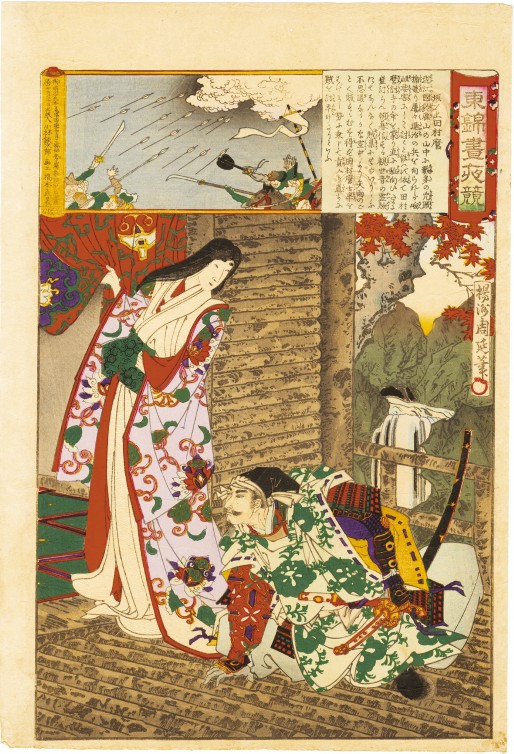
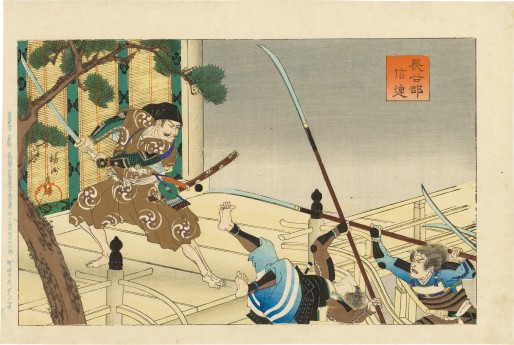
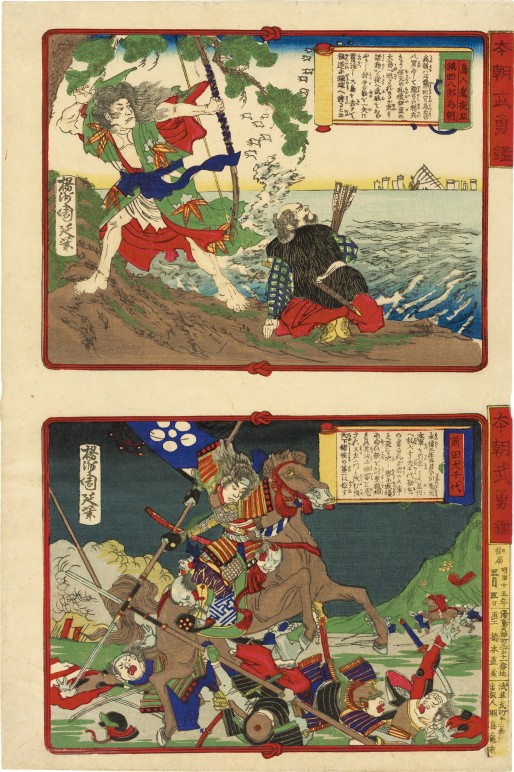
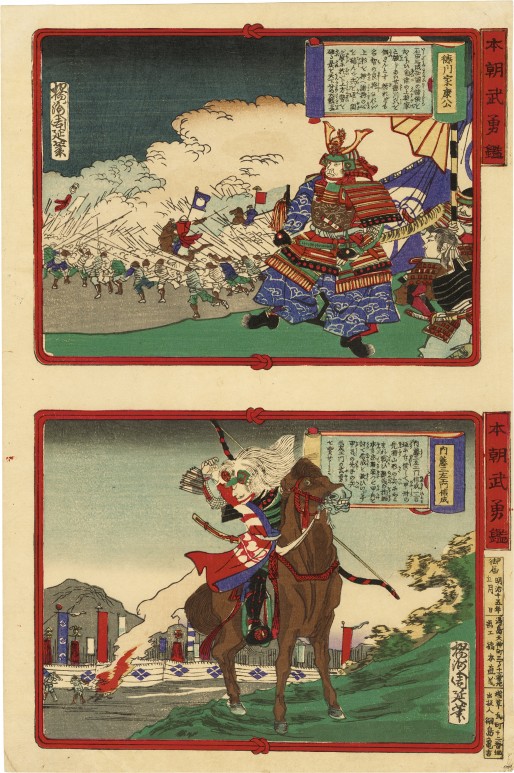
Chikanobu was a leading figure in the world of Meiji-period ukiyo-e, active from the final years of the Edo period through the late Meiji era (from the 1860s to the early 1900s). Alongside Kunichika, he is regarded as one of the most important artists of the Meiji period. His greatest achievement lies in portraying the rapidly changing social and cultural landscape of Meiji Japan through a refined and distinctive sense of beauty.
He became the foremost master of kiken-ga (prints of nobility and court life), particularly known for his depictions of the daily lives of the Meiji Emperor and the imperial family, as well as scenes of Westernized high society symbolized by the Rokumeikan. The women in his works retain echoes of the traditional Edo ideal of beauty, yet are characterized by an intellectual elegance imbued with the atmosphere of the new Meiji era.
Chikanobu also enjoyed immense popularity for his series Chiyoda no Ōoku, which nostalgically portrays life and annual events within the Ooku of Edo Castle. At a time of rapid modernization, these works resonated deeply with audiences who longed for the splendor of Edo culture that was fast disappearing. By preserving the traditional aesthetics of ukiyo-e while vividly expressing the customs and fashions of a new age through rich coloration, Chikanobu can be seen as an artist who embodied the final flowering of ukiyo-e.
He became the foremost master of kiken-ga (prints of nobility and court life), particularly known for his depictions of the daily lives of the Meiji Emperor and the imperial family, as well as scenes of Westernized high society symbolized by the Rokumeikan. The women in his works retain echoes of the traditional Edo ideal of beauty, yet are characterized by an intellectual elegance imbued with the atmosphere of the new Meiji era.
Chikanobu also enjoyed immense popularity for his series Chiyoda no Ōoku, which nostalgically portrays life and annual events within the Ooku of Edo Castle. At a time of rapid modernization, these works resonated deeply with audiences who longed for the splendor of Edo culture that was fast disappearing. By preserving the traditional aesthetics of ukiyo-e while vividly expressing the customs and fashions of a new age through rich coloration, Chikanobu can be seen as an artist who embodied the final flowering of ukiyo-e.